Getting Started: Supplies
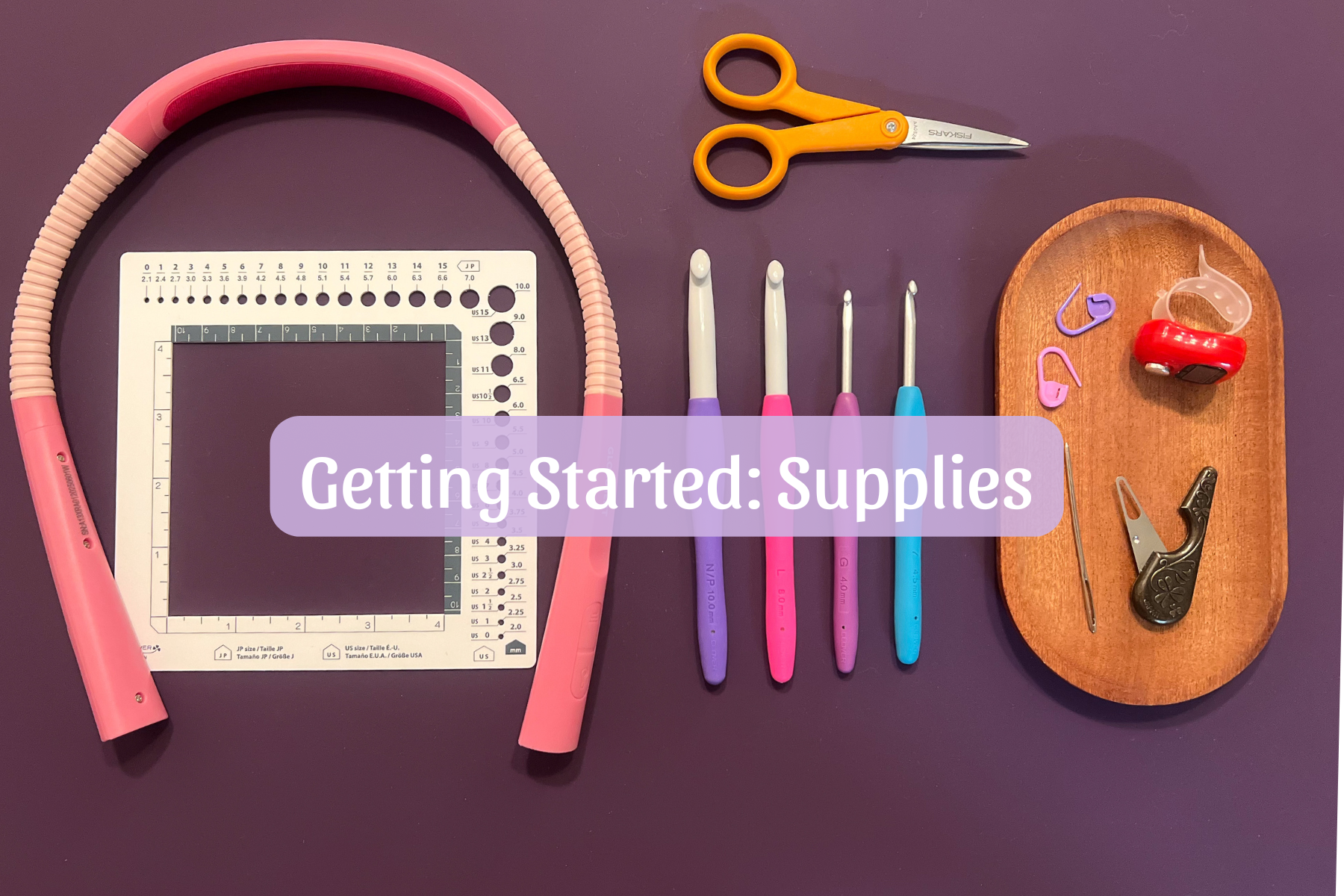
Just getting started with crochet?
Let’s talk about the supplies you need right away, and a few that might be helpful later on.
You really only need two things to begin to crochet: yarn and a hook! Let’s start with yarn.
YARN
If you’re an absolute beginner, I recommend starting with a medium/4 weight yarn. A single-ply yarn will also make things easier when you’re just getting started, and trying to figure out where your hook is supposed to go and what all the little loops are supposed to be doing. It’s not necessary to start with a medium weight yarn, but I personally find it the easiest for beginners.
When you’re buying yarn, I also recommend purchasing it in person if you’re able to. I’ve learned from experience that you’ll never love your finished project if you hate the yarn you used. So, if it’s an option where you live, meet some yarn face-to-face and pick out something that you enjoy the color and feel (perhaps even smell?) of.
The label on a ball/skein of yarn is your new BFF! On it you’ll find so much good information: the yarn’s weight, what kind of fiber it is, the hook size recommended to use with it, how many yards it contains, the color/dye lot (super handy if you need to run back to the store for more), and the washing/care instructions. Reading the yarn label will keep you from spending weeks making a baby blanket, only to find out later that you just gifted a newborn something that can’t be thrown in the washing machine.
So, consider what you’re making, who you’re making it for, and pick something that you’re happy looking at. You’ll be looking at it for a while!
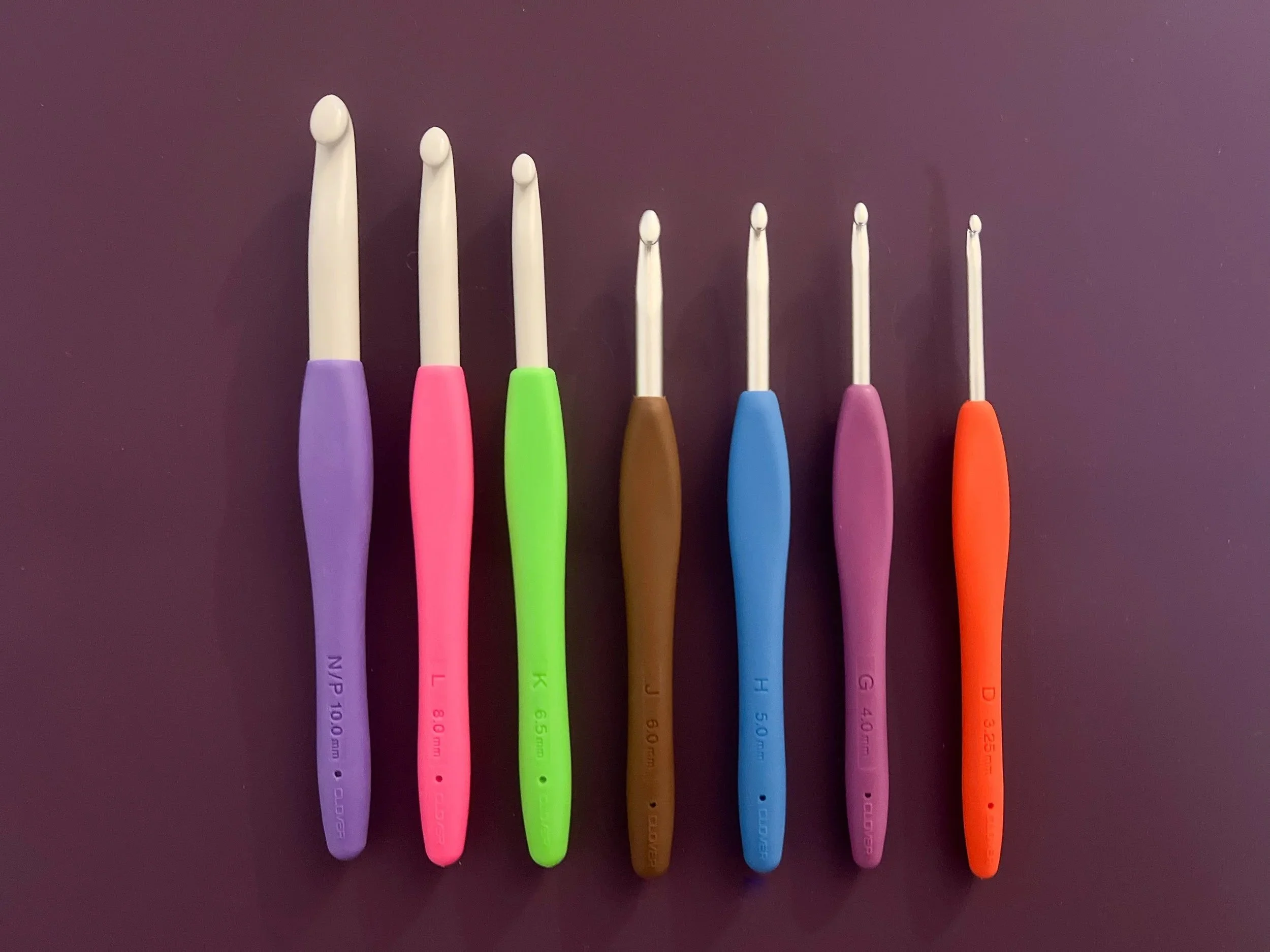
Several Clover Amour hooks, from two different sets
HOOKS
When you’re getting started, the most important thing is that the hook you’re using is the right size for the yarn you’ve chosen (check the yarn label for this info).
If you’re not sure what kind of hook to start with, I recommend a basic, aluminum hook. If you’re already deep into your crochet addiction you may be just fine to keep using the hook(s) you started with, but if you’re experiencing hand fatigue, pain, or your hook is snagging on your yarn, it might be time for an upgrade.
My personal favorite hooks are the Clover Amour crochet hooks! These can be purchased individually, or as part of a set (they come in a set of larger hooks, or a set of smaller hooks). The heads on the smaller set are smooth aluminum, and they glide through my stitches like butter. (Mmm. Butter.) Smooth stitching = less friction = less strain on your fingers. They all have ergonomic handles, and I crochet for hours without discomfort using these hooks.
Although these are the hooks I recommend, everyone is different! Find the hooks that work best for your hook grip, and that feel the best for you.
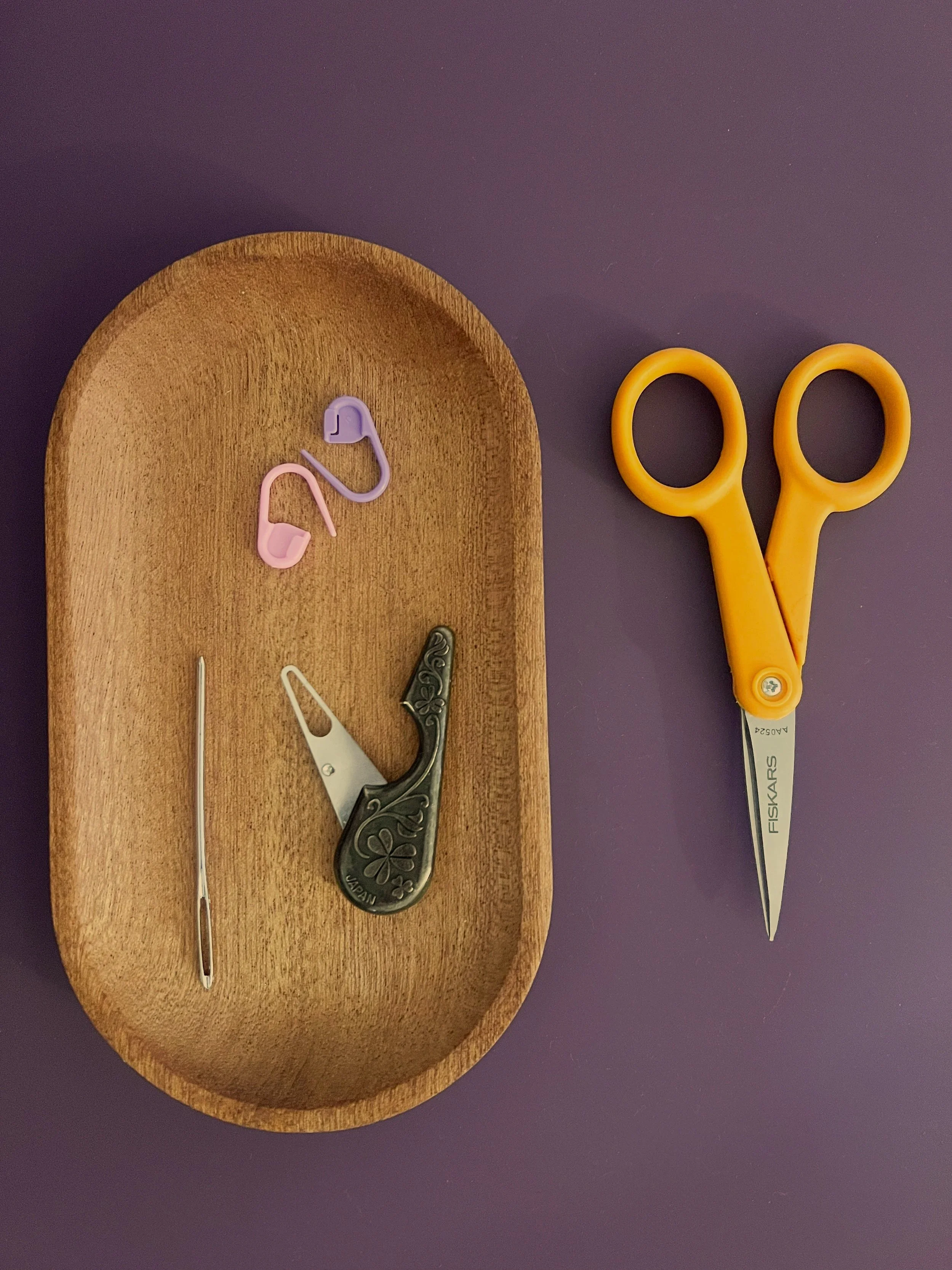
A yarn needle, needle threader, locking stitch markers and scissors are must-have supplies for me!
A Few Other Things You’ll Need
Although technically you can crochet away with just yarn and a hook, there are a couple of other things you’ll need to finish up your project (and to help things go smoothly if you’re a beginner).
CRAFT SCISSORS
A pair of craft scissors with a sharp point are helpful when you’re fastening off your project, changing colors or adding in another ball of yarn to your project.
TAPESTRY/YARN NEEDLE
After fastening off at the end of your project, you’ll use a yarn needle to carefully weave your loose ends into your work, adding additional security while keeping things looking beautiful.
NEEDLE THREADER
This one isn’t necessary, but if trying to thread a yarn needle with a super bulky yarn makes you want to quit crocheting…consider purchasing a cheap needle threader instead of throwing in the towel. I picked mine up on Amazon, and it’s paid for itself in frustration-relief.
LOCKING STITCH MAKERS
When I teach someone to crochet, I always bring locking stitch markers with me! When I first started hooking it was difficult to tell exactly what I was looking at, especially at the end of my rows. (“Is that a stitch? A turning chain? A weird knot that isn’t supposed to be there?”). By putting a stitch marker into the first stitch of your row, you’ll know just where the very last stitch should land as you work back across to it! If your work is getting wider, narrower, or your rectangles turn into triangles, this super affordable tool might be just the ticket!
TAPE MEASURE
While you might not need a fabric tape measure if you’re just getting started, this is another affordable tool that’s super helpful to have around.
Supplies You Don’t “Need” (supposedly)
Okay. You don’t need these last things. But I use them so often I have to mention them.
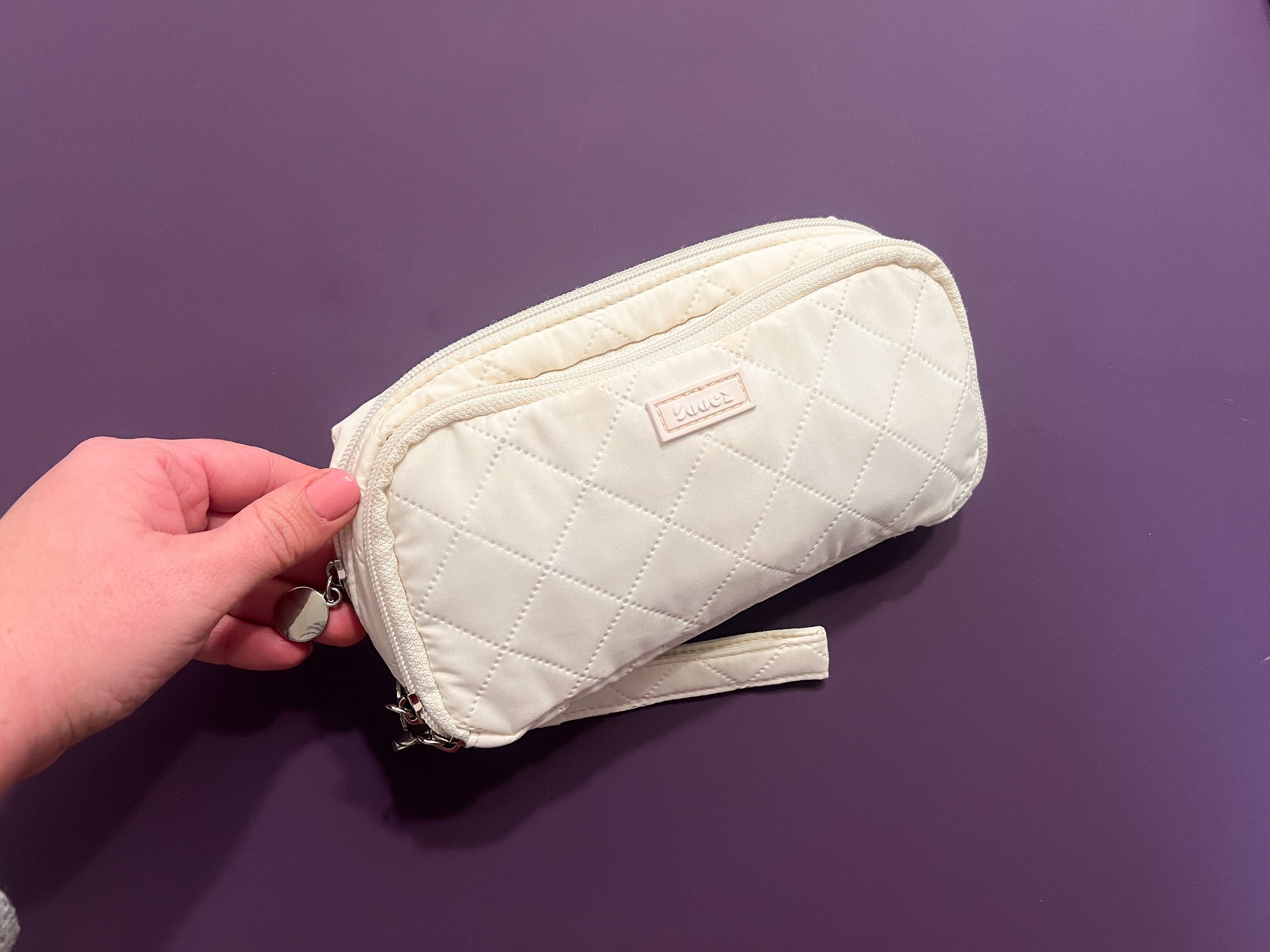
HOOK & NOTION CASE
You can buy expensive cases for your crochet hooks and notions, but my go-to is a padded pencil case I found on Amazon. If you plan on crocheting away from home, having a place to keep your supplies organized is invaluable. (Plus, no one likes yarn needles just floating around…even if they are pretty blunt.)
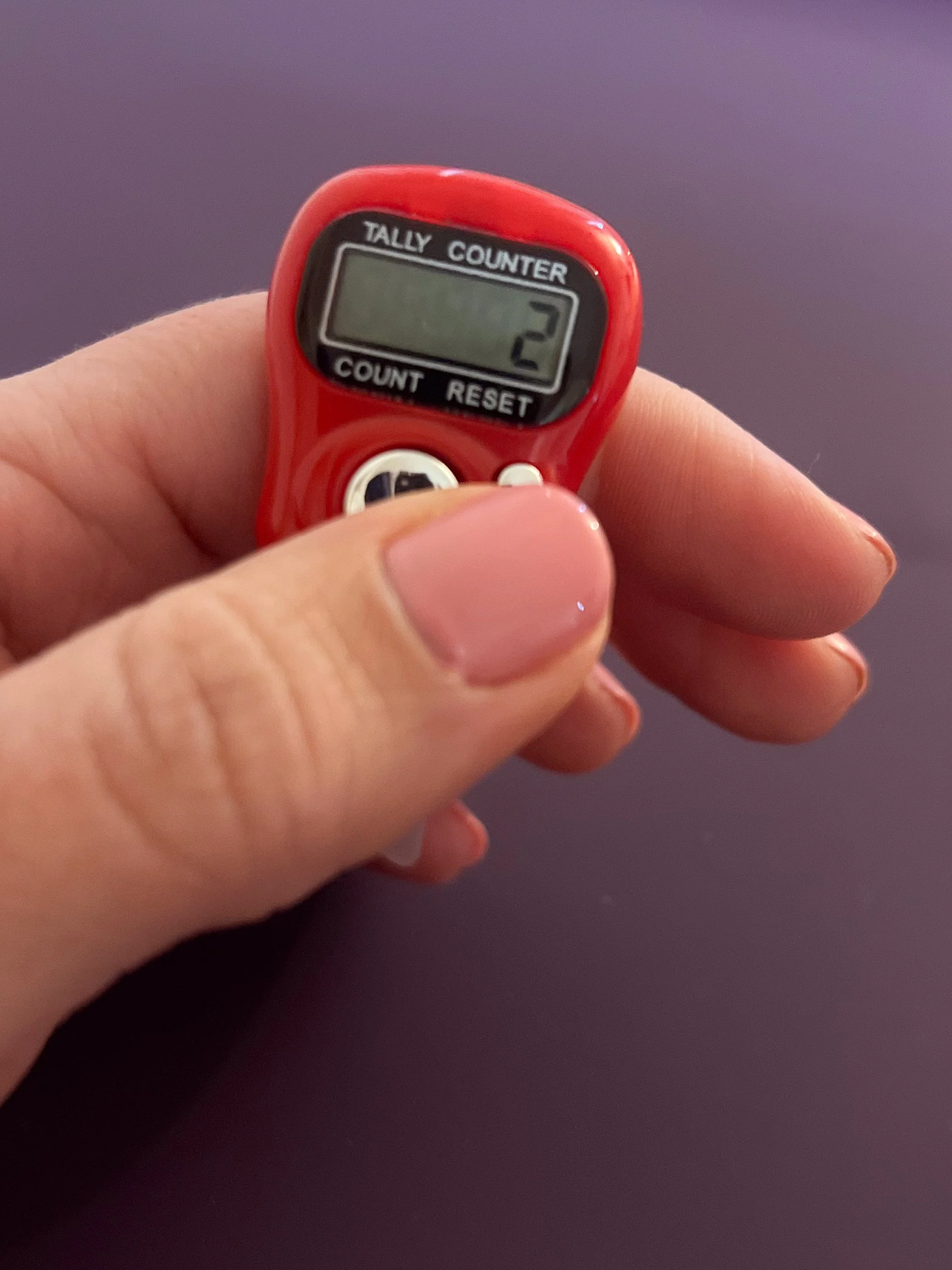
ROW COUNTER
When you’ve been crocheting for a while, it won’t be too hard to look back at your work and count how many rows you’ve completed. When you’re brand spankin’ new to crochet, however, counting rows can feel a bit overwhelming. You can buy cheap row/tally counters online to help you keep track of your progress as you follow a pattern (or alternatively, you can mark your pattern, keep a tally on paper or can use an app like “MyRowCounter”.)
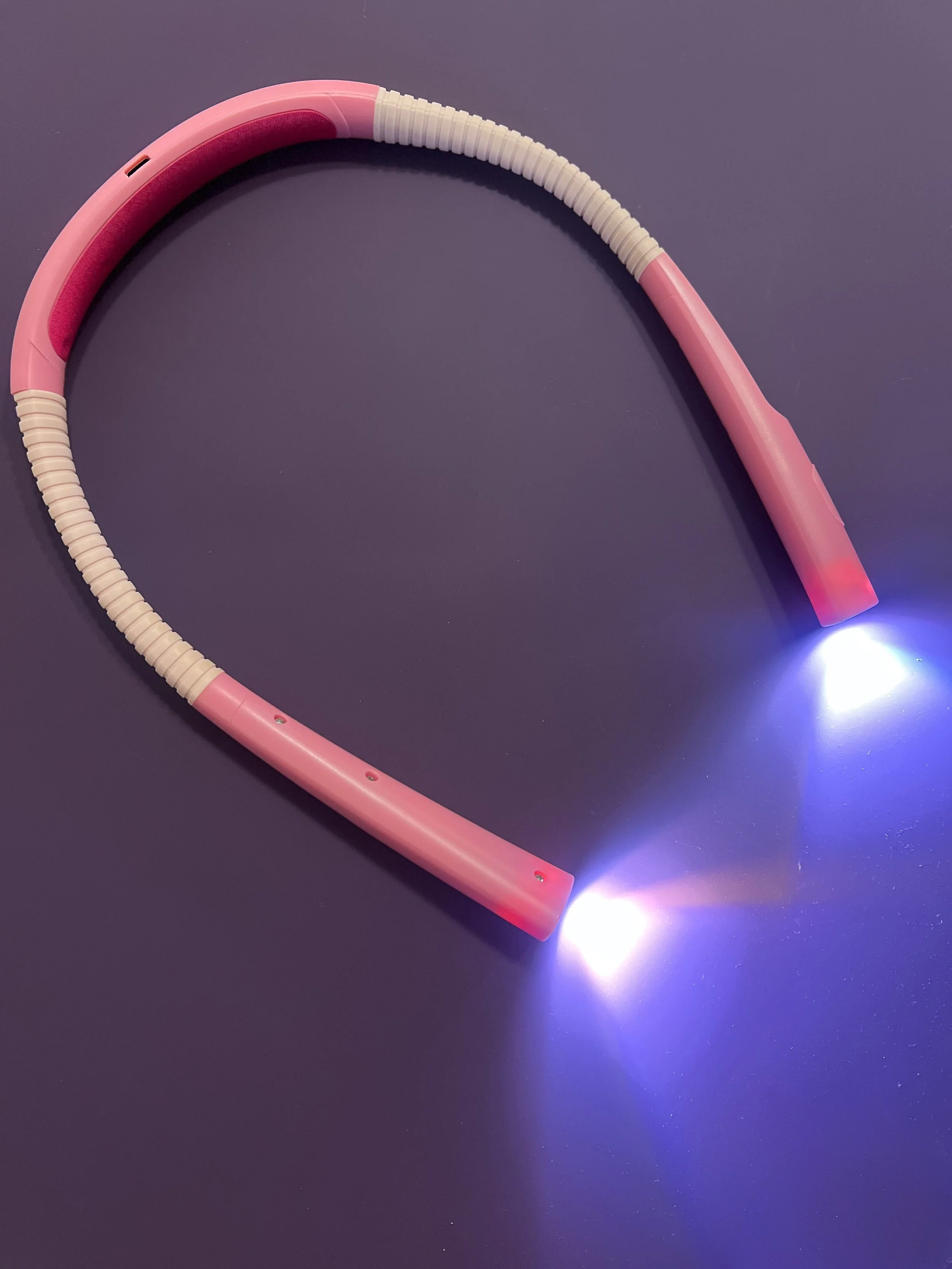
NECK LIGHT
Depending on when and where you crochet and what color yarn you’re using, a neck light might fall under the “necessary” supplies list for you. I usually crochet while sitting on my couch or bed late in the evening, and my lighting at home isn’t the greatest. Using a neck light has been a game changer (I can now crochet while my husband sleeps - hooray!), reduces eye strain for me and makes working with darker colors of yarn much easier. I picked mine up on Amazon, and it has two different light temperatures (cool or warm), and three brightness settings. (Note: this item is also handy for hands-free snack getting in the middle of the night when you don’t want your little kids to discover you and steal your food)
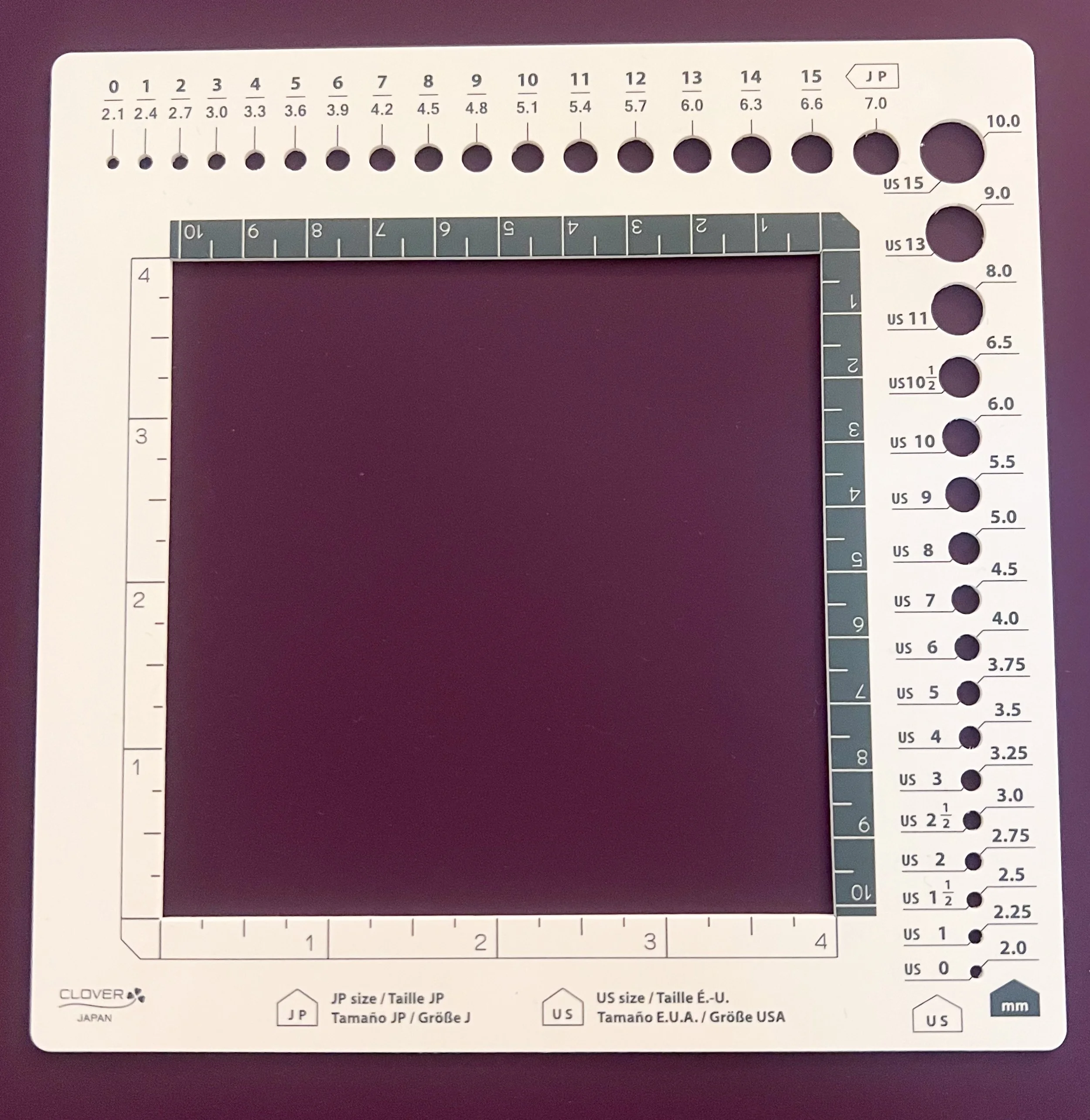
SWATCH RULER
Many patterns contain instructions for a “gauge swatch”. Sometimes your gauge won't seem to matter much, and sometimes it really does (think wearables). You can use a ruler or tape measure to count your rows and stitches to figure out your gauge, or a tool like a swatch ruler can help, too!
Disclaimer: Some links to products may be affiliate links. If you purchase a product using an affiliate link, I may receive (at no extra cost to you) a small commission. As an Amazon Associate I earn from qualifying purchases. Thank you for your support!
“Every crocheter needs a good neck light.”
-Albert Einstein
(maybe)